
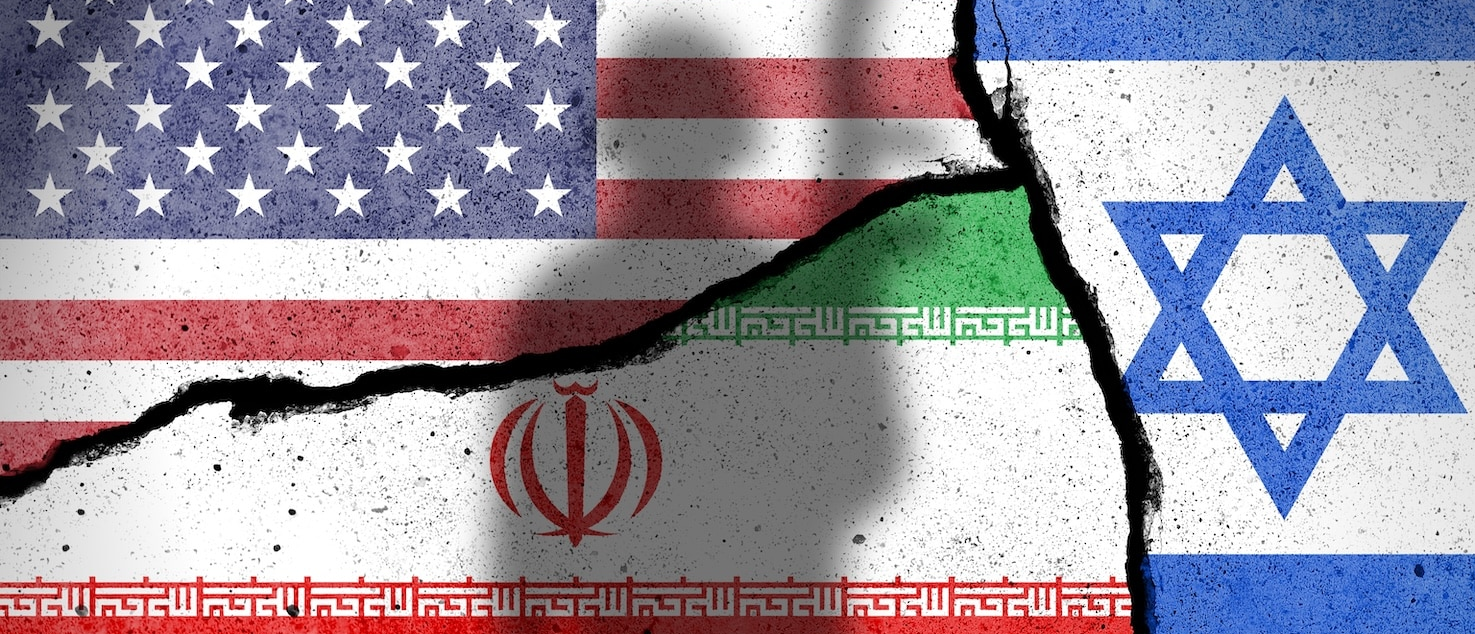
For decades, Western leaders have tried almost every possible approach to restrain the Islamic Republic of Iran. Sanctions, negotiations, inspections, diplomatic warnings and nuclear agreements have all been attempted, initially with great optimism but ultimately with even greater disappointment. By 2026, the central problem remains unresolved – Iran continues to expand its nuclear capabilities, strengthen its ballistic missile programme and empower violent proxy groups across the Middle East. The question facing the United States and Israel was no longer whether the Iranian regime was dangerous, but whether the free world was prepared to act before that danger resulted in devastating consequences.
Despite this, the joint American-Israeli strikes that began on 28 February should not be senselessly celebrated. War is never clean, and civilian suffering is too often dismissed as an unfortunate byproduct of conflict. However, moral consistency does not equate to paralysis. A nuclear-armed Iran, shielded by missiles and surrounded by regional proxies, would not solely pose a threat to Israel. Indeed, it would fundamentally upend the strategic balance of the Middle East, intimidate Gulf states, embolden terrorist organisations across the world and severely weaken American credibility.
The Failure of Restraint
The argument against military action typically begins with the word “restraint”. Admittedly, it is a powerful word, because it carries connotations of maturity, caution and humanity. But in foreign policy, restraint can easily devolve into a euphemism for allowing hostile regimes to accumulate destructive potential while democratic nations congratulate themselves for avoiding difficult choices. For years, Iran benefited from this Western hesitation. It advanced its nuclear programme and enriched uranium while denying military intentions. It armed Hezbollah, funded militias, threatened Gulf shipping and treated negotiations as a means of buying time.
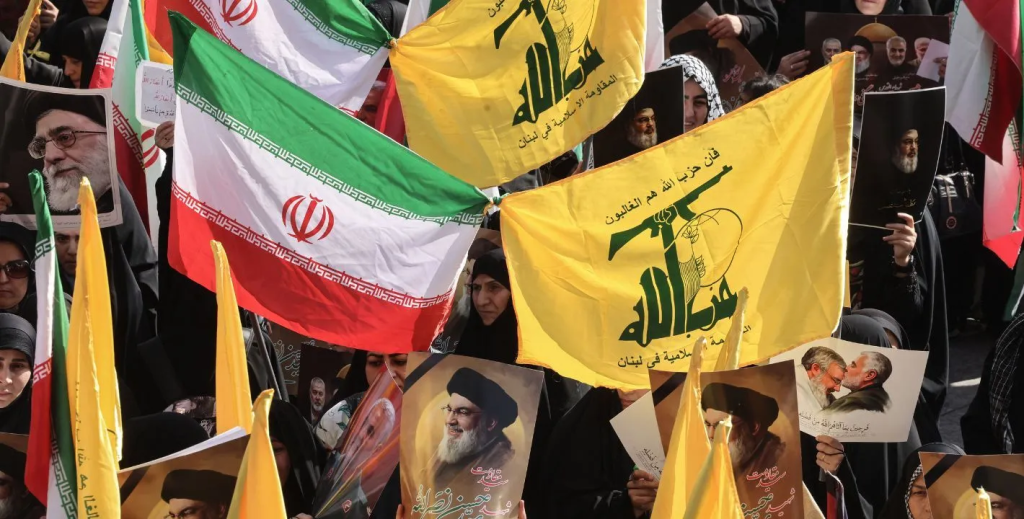
This is why the American and Israeli position, while controversial, is inherently sensible. Israel faces Iran as a state whose leaders have repeatedly spoken in eliminationist terms and whose proxies have surrounded it with rockets, militias and bloodshed. For the United States, the issue is broader but no less serious. If Washington allows Iran to threaten Western allies, endanger critical shipping routes and approach nuclear breakout without any semblance of consequence, then every Western adversary from Beijing to Moscow will draw the same conclusion: American warnings are negotiable.
The war has already demonstrated the havoc and depravity of the Iranian regime. Rather than limiting its response to military targets, Tehran has launched counter-strikes throughout the entire region, including against Gulf states that host American forces. The strike on Al-Kharj in Saudi Arabia, which killed foreign workers and injured civilians, is a testament to Iran’s blunt willingness to spread instability far beyond its own borders. This is the behaviour of a revolutionary regime using regional escalation as blackmail.
The Moral Case for Strength
There is an ever-increasing tendency within Western political commentary to treat Israel and Iran as morally equivalent actors simply because both possess military power. This is not the case. Albeit imperfect, Israel is a liberal democracy fighting for its own survival in a historically hostile region. Iran is an authoritarian theocracy that massacres its own citizens, exports religious violence and has repeatedly defied international demands over its nuclear activities. While reducing the intricacies of a conflict to a ‘good guy’ and ‘bad guy’ may appear principally reductive, in this case the moral distinction could not be more clear.
Of course, supporting the United States and Israel is not equivalent to supporting every possible military tactic. Civilian casualties, intelligence failures matter and strategic overreach must be judged and dealt with appropriately. Indeed, the ultimate aim should not be open-ended nation-building or a naive belief that democracy can be delivered by airstrike, a sentiment increasingly disseminated within the MAGA movement. Rather, it should be more limited and more defensible – degrade Iran’s nuclear and missile capabilities, weaken the regime’s ability to terrorise its neighbours and restore a foreign policy of deterrence. While it is pivotal that the West does not repeat the worst mistakes of Iraq, it should not succumb to the popular talking point that every case of interventionism in the Middle East is automatically doomed.
The Language of “Escalation”
Much of the media coverage has focused on “escalation”, as though escalation began only when the United States and Israel acted. This framing is misleading and supports the broader narrative of interventionism being inherently destructive. Iran’s nuclear expansion, its support for Hezbollah, its relentless threats to shipping and Gulf States and its repression of domestic dissent all serve as glaring examples of escalation. To assume that the strikes emerged from a vacuum is intellectually dishonest. This is not to say that the war is devoid of risk or severe economic consequence. Oil markets, regional stability and civilian safety are all at stake, and a potential wider conflict involving Lebanon, the Gulf or the Strait of Hormuz lingers over our collective consciousness. But the alternative, the gradual normalisation of Iranian power and nuclear capability, is simply an unacceptable risk.
Ultimately, the Iran War forces the West to confront an uncomfortable truth, that peace cannot preserved by rhetoric and dialogue alone. This is not to undermine the role of diplomacy and international law, but it often devolves into theatre and virtue-signalling without being backed up by credible force. In short, the United States and Israel were morally obligated to act simply because the danger of inaction had become too great.
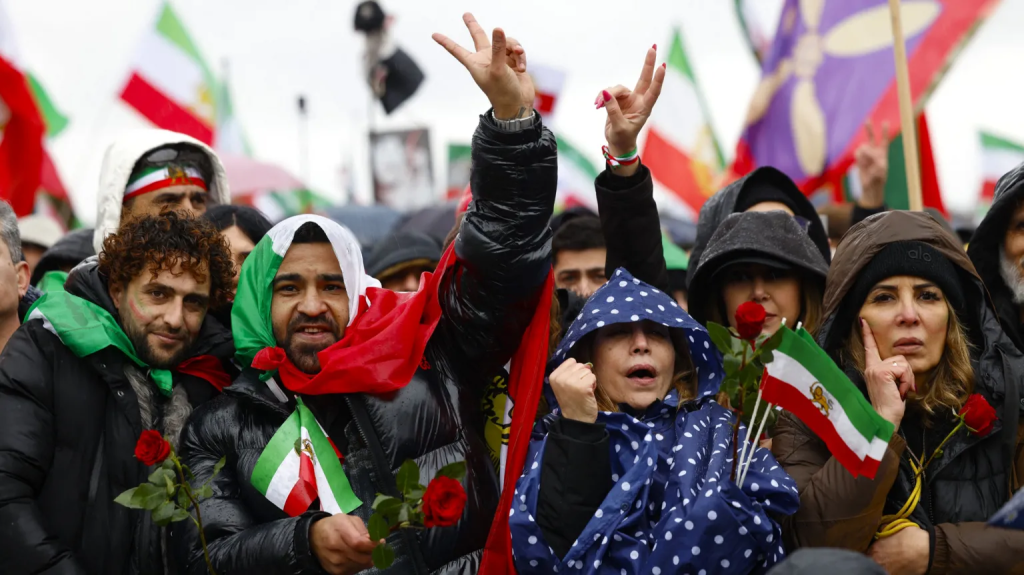
The Iranian people deserve better than clerical dictatorship, economic isolation and permanent confrontation with the world.
Read more: The Insight Corner



I just hope somebody has actually thought about what comes after all this
We’ve heard the same arguments before. Iraq was supposed to be a quick operation too.
The Iranian people are the ones I feel sorry for, stuck in the middle of all this.
Whatever happens, I hope Australia stays out of another Middle Eastern war
Would be interested in a follow up on the economic consequences, particularly oil prices.